British Columbia is enormous — like, embarrassingly enormous — and getting around it on a budget takes some actual planning. Whether you're island-hopping, heading into the mountains, or just trying to figure out where to base yourself, knowing your hostel options across the province is a solid start.
Here's the honest local rundown.
Why BC Is Such a Good Province to Do on a Hostel Budget
BC rewards slow travellers. The outdoor stuff — hiking, cycling, kayaking, hanging out on beaches — is mostly free or very cheap. A good hostel puts you close to it all, often with kitchens to cook your own meals, people who know the area, and a base that doesn't drain your account before you've even seen anything.
The catch? BC is big and the cost of living is genuinely high, especially in Vancouver. Choosing the right hostel in the right town can make a real difference to your overall trip cost.
The Main Regions to Know
BC isn't one vibe — it's four or five very different ones. A quick lay of the land helps before you start booking.
Vancouver and the Lower Mainland
Vancouver is the obvious entry point for most travellers, especially if you're flying in. It's a great city, but it's also one of the most expensive in Canada. Budget accommodation exists, but you'll pay more here than anywhere else in the province.
Vancouver Island
Victoria and Tofino are the big draws here. Victoria is the provincial capital — compact, walkable, and surprisingly affordable compared to Vancouver once you're actually on the ground. Tofino is the surf town on the wild west coast, which has a very different energy.
The BC Interior
Kelowna, Kamloops, and the Okanagan wine country are increasingly popular with backpackers passing through or sticking around for seasonal work. Hot summers, great cycling, cheap fruit at the roadside stands.
Northern BC and the Rockies
Banff is technically Alberta, but many travellers combine it with BC's Rockies corridor — Revelstoke, Golden, and the Columbia Valley. More remote, more dramatic, and increasingly popular with outdoor-focused travellers.
What to Actually Expect from Hostels in British Columbia
Standards vary a lot. Here's what I'd tell a friend asking:
- Dorms typically run $45–$60/night in most BC towns; Vancouver can push higher. Private rooms in hostels are usually $90–$150 depending on the season.
- Kitchens are standard in most decent hostels — this is non-negotiable if you're on a real budget, because eating out in BC adds up fast.
- Free breakfast exists but is rare — it's worth actively looking for, because it makes a meaningful daily difference.
- Location matters more than price — a slightly more expensive hostel in walking distance of what you want to do will save you money on transit and taxis over a week.
Hostels in Victoria: The Best Base on Vancouver Island
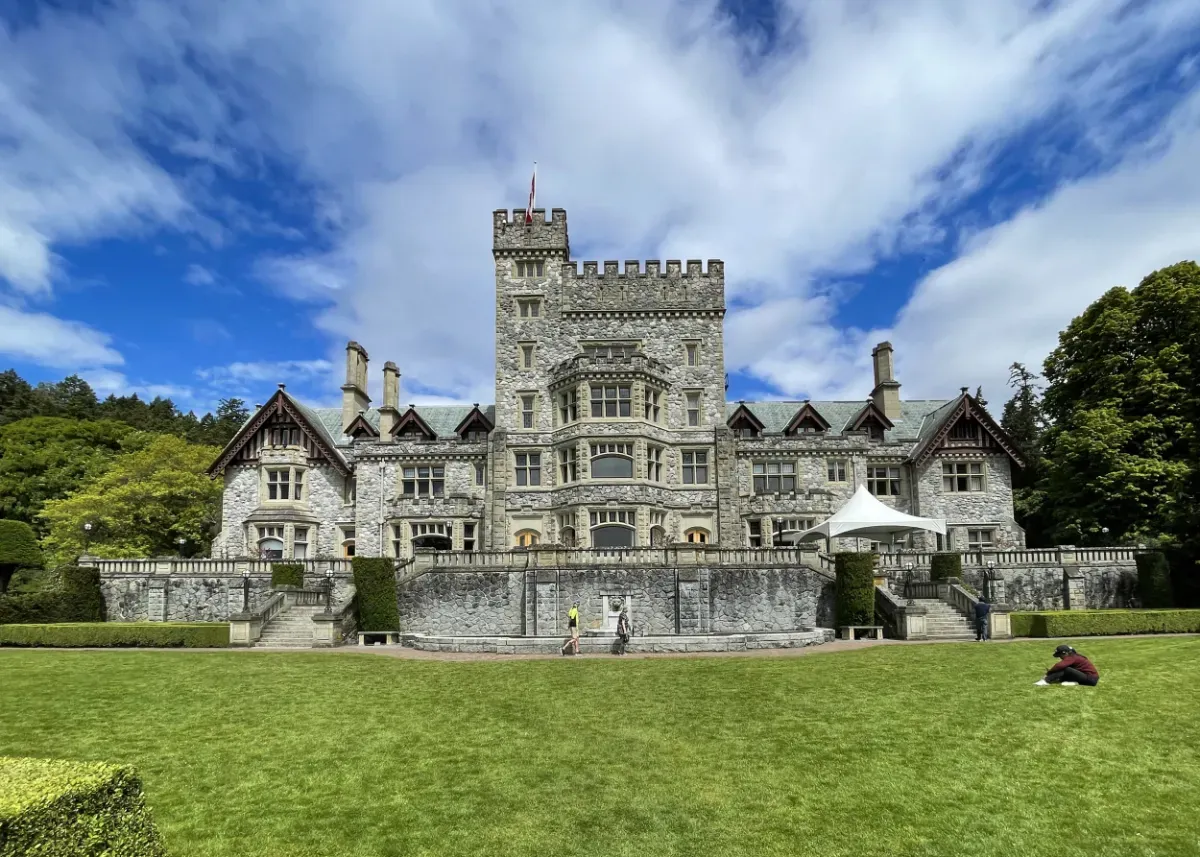
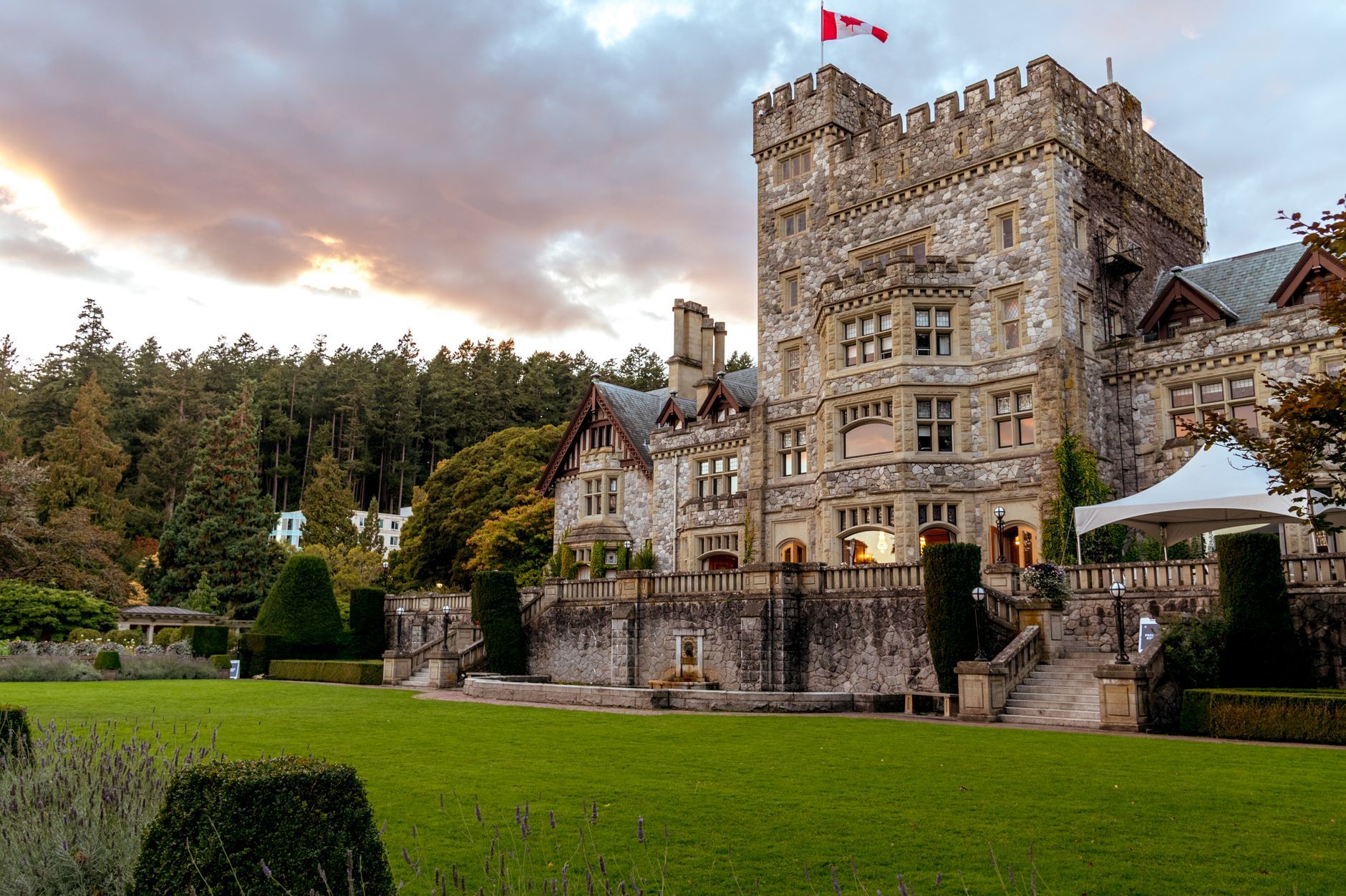
Victoria is genuinely one of the best cities in Canada to travel on a budget, and I'm not just saying that because it's home. The downtown core is walkable, the transit is simple, the food scene punches above its weight, and you're never far from a trail or the waterfront.
Ocean Island Inn sits right in the middle of downtown Victoria — a few minutes' walk from the Inner Harbour, Chinatown, and the main bus hub. It's one of the longest-running budget stays on the island, and it actually offers free breakfast and free dinner, which is genuinely unusual for a hostel and takes a real bite out of your daily spend. There's also a shared kitchen and lounge if you want to cook or just hang out.
If you're planning to stay more than a few nights — or if you're on a working holiday and need somewhere longer-term — the extended stay options are worth a look. Victoria has a solid seasonal work scene, and a lot of people end up staying much longer than planned.
Getting Around Victoria on a Budget
BC Transit runs the city. A single fare is $3.00 cash (exact change only), or grab a DayPASS for $6.00 — just ask the driver. For anything further out, bike rentals are great value, especially for the Galloping Goose Trail, which runs all the way out to Sooke.
Hostels in Vancouver: What You Need to Know
Vancouver has a healthy hostel scene given the demand, but prices reflect the city. A few honest notes:
- Hostel International Vancouver (on Burnaby Street in the West End) is a solid option — well-run, good location, close to Stanley Park.
- The Downtown Eastside has cheap accommodation, but it's a rough area and not somewhere I'd send a first-time visitor without a heads-up.
- Gastown and the West End are the neighbourhoods where most backpackers end up, and both are walkable to the main sights.
Budget roughly $15–$20/day for groceries if you're cooking most meals, and use the SkyTrain and buses rather than taxis — the transit system in Vancouver is genuinely excellent.
Hostels in Tofino and the Island's West Coast
Tofino is a different world from Victoria — smaller, wilder, and increasingly trendy, which means prices have crept up. That said, there are still budget options if you're booking ahead.
A few things to know:
- Most hostel-style accommodation in Tofino fills up fast in summer (July–August especially). Book at least a few weeks out.
- If you're there to surf, you'll rent gear locally — Tofino has several surf schools along the main beach strip.
- The bus link from Nanaimo (on Vancouver Island) to Tofino is long but doable — check BC Transit and the Island Link Bus for current schedules and fares.
The BC Interior: Kelowna and the Okanagan
Kelowna doesn't have the same density of backpacker infrastructure as Victoria or Vancouver, but it's growing. It's a popular destination for working-holiday travellers in summer (fruit picking, winery work) and ski season (Big White is nearby in winter).
Budget accommodation here is more hit-and-miss — look for places with good kitchen access and check reviews specifically mentioning cleanliness and management responsiveness. The Okanagan is hot and dry in summer, which is a nice change from the coast if you've been rained on for a week.
Making Your Hostel Budget Work Harder in BC
A few habits that genuinely help:
- Cook as much as possible. BC restaurants are great but not cheap. A hostel with a proper kitchen saves you $20–$40 a day easy.
- Look for hostels with tour discounts. Some hostels have partnerships with local operators, which knocks real money off whale watching, kayaking, and cycling tours. At Ocean Island, guests get discounts on local tours and attractions — worth checking before you book anything separately.
- Travel in shoulder season. May–June and September–October in BC are genuinely lovely and noticeably cheaper than peak July–August.
- Use the DayPASS. In Victoria or Vancouver, if you're making more than two trips in a day, the $6.00 DayPASS pays for itself immediately.
- Consider a campervan for multi-destination trips. If you're hitting several BC regions, renting a campervan can actually work out cheaper than paying for accommodation every night. Ocean Island offers campervan rentals if you want to explore beyond Victoria.
FAQ: Hostels in British Columbia
Are hostels in BC safe? Generally, yes — BC has a well-established backpacker scene and most hostels have lockers, secure entrances, and staff on-site. Read recent reviews (2023–2024) and specifically look for comments about security and management.
What's the cheapest time to visit BC? November through March (excluding Christmas/New Year) is cheapest overall. Shoulder season (May–June, September–October) balances cost with actually decent weather.
Do I need to book hostels in BC in advance? In summer? Yes, absolutely — especially for popular spots like Tofino, Whistler, and downtown Victoria. In shoulder season, a few days ahead is usually enough. Winter you can often walk in.
Can I use public transit to get between BC cities? Within cities, yes — BC Transit and TransLink (Vancouver) are solid. Between cities, options are more limited. BC Ferries connects Vancouver Island to the mainland. For the Interior and Northern BC, you're looking at buses (Greyhound routes have largely been taken over by private operators) or driving.
Is Victoria or Vancouver better for first-time visitors? Honestly? Victoria. It's smaller, friendlier, easier to navigate, and cheaper to base yourself in. Vancouver is worth a few days too, but for settling in and actually feeling at home somewhere, Victoria wins. I'm not biased at all.