British Columbia is enormous, absurdly beautiful, and — if you plan it right — surprisingly affordable. Picking the right hostel is where that planning starts.
Whether you're doing a big BC loop, landing on a working holiday visa, or just trying to figure out where to sleep without blowing your whole budget, here's an honest rundown of what the hostel scene actually looks like across the province — and why a lot of travellers end up basing themselves in Victoria.
Hostels in British Columbia: A Quick Lay of the Land
BC is split into two main zones for most budget travellers: the Lower Mainland (Vancouver and surroundings) and Vancouver Island (Victoria, Tofino, Nanaimo). Then there's the interior — Kelowna, Whistler, the Kootenays — if you're going deeper.
The hostel quality and vibe vary a lot depending on where you land. Here's a rough breakdown.
Vancouver
The biggest city, the most hostels, and the most competition for beds. You'll find everything from massive party-hostel vibes to quieter boutique spots in neighbourhoods like Gastown and the West End. Expect to pay more here — downtown Vancouver beds regularly run $45–$65+ a night, and your dollar doesn't stretch as far.
It's worth a few days, but if you're watching your budget, Vancouver can eat it fast.
Whistler
Great if skiing or mountain biking is the whole point of your trip. Off-season there are decent deals, but in peak winter it's pricey across the board — hostels included. Not the place to linger on a tight budget.
Tofino
Surf culture, old-growth rainforest, and one of the most dramatic coastlines in Canada. Hostel options are limited and book up fast in summer — if Tofino is on your list, plan ahead.
Victoria
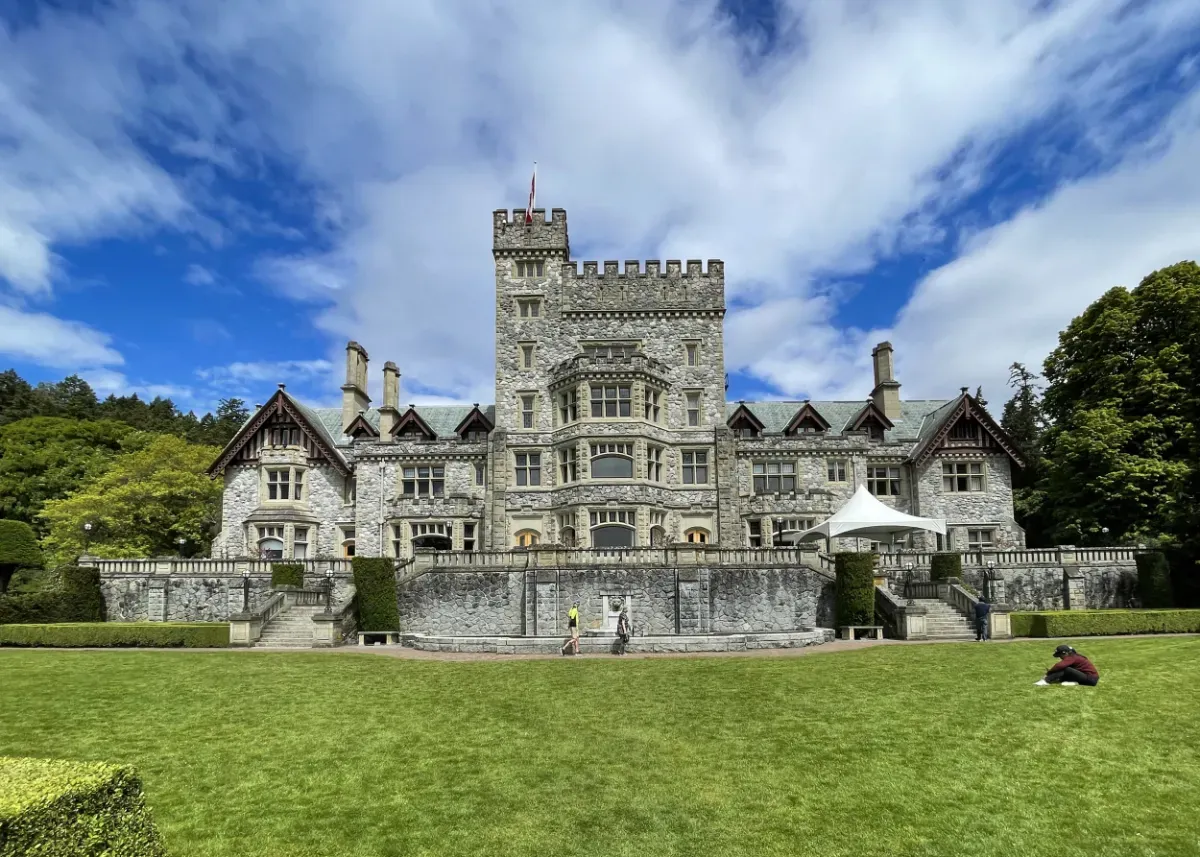
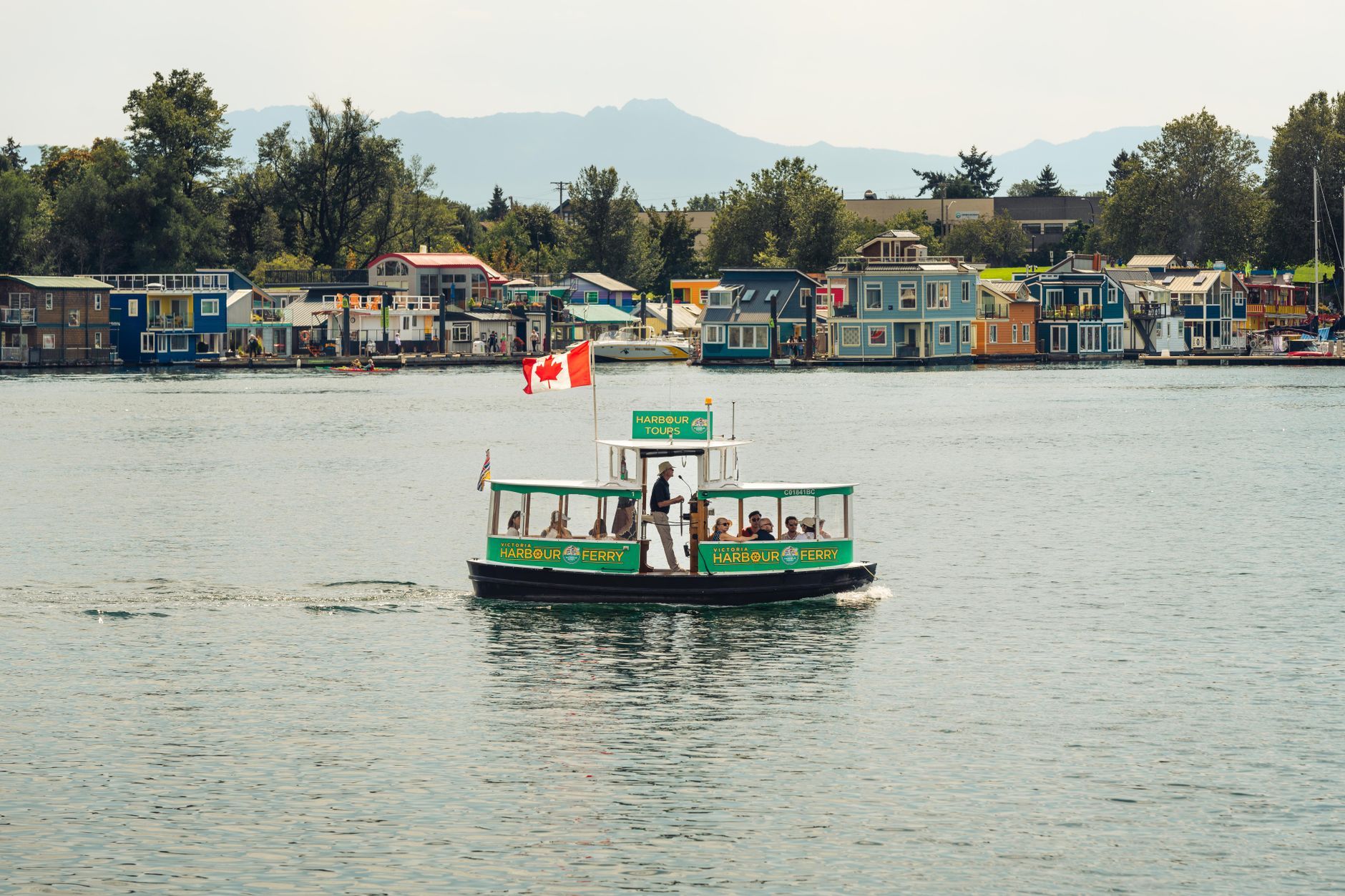
Honestly? Victoria is the sweet spot for budget travellers in BC. Lower cost of living than Vancouver, walkable downtown, genuinely great food scene, and easy access to some of the best hiking and cycling on the island. The ferry crossing from Tsawwassen (just outside Vancouver) takes about 90 minutes and the views alone are worth it.
It's also the kind of city that rewards slow travel — there's more here than most people expect.
Why Victoria Works So Well as a BC Base
You Can Actually Walk Everywhere
The Inner Harbour, Chinatown, Cook Street Village, the public market — all of it is within easy walking or cycling distance. You don't need a car to have a great time here, which is rare for a Canadian city. A bike rental can unlock even more: the Galloping Goose Trail runs all the way from downtown out to Langford (about 55 kilometres), and you can do as much or as little of it as you want.
Transit is Cheap and Simple
BC Transit runs the whole city. A single cash fare is $3.00; a DayPASS (unlimited rides all day) is $6.00 — exact change on board, or just ask the driver for the DayPASS. For most things in the core you won't even need the bus, but it's great for getting out to Saanich, Sidney, or the ferry terminal.
Food is Legitimately Good
Victoria has a surprisingly serious food scene for a city this size. Chinatown on Fisgard Street is one of the oldest in Canada and still has some of the best cheap eats around. Fan Tan Alley, the public market at the Bay Centre, the taco spots on Douglas — you can eat really well here for not much money if you know where to look.
If you're staying somewhere with a shared kitchen, even better — stocking up at the Market on Yates or the smaller grocery spots nearby keeps costs way down.
Whale Watching is Actually Accessible
We partner with Orca Spirit Adventures for whale watching on the Salish Sea — orcas, humpbacks and grey whales are genuinely common out there, and a 3-hour tour is one of the more memorable things you can do in BC, full stop. Tours depart from one of two docks near the Inner Harbour, so swing by the Ocean Island front desk before you book — they'll tell you which dock your tour leaves from and hook you up with guest rates that beat anything you'll find published online.
Staying at Ocean Island Inn
If you're landing in Victoria, Ocean Island Inn is right in the middle of downtown — you're walking distance from pretty much everything mentioned above. There's free breakfast, free dinner, and a shared kitchen, which makes a real difference when you're stretching a budget across a longer BC trip. Check out the current deals before you book, and have a look at the Victoria Insiders Guide — it covers a lot of the local detail that doesn't make it onto most travel sites.
If you're planning a bigger route across BC — ferry over, a few days in Victoria, then back through Vancouver on your way to Tofino or the interior — Victoria is an easy, affordable place to start or finish. And once you're here, a lot of people end up staying longer than they planned. We won't pretend that's a coincidence.