Start Where Everyone Starts: The Inner Harbour
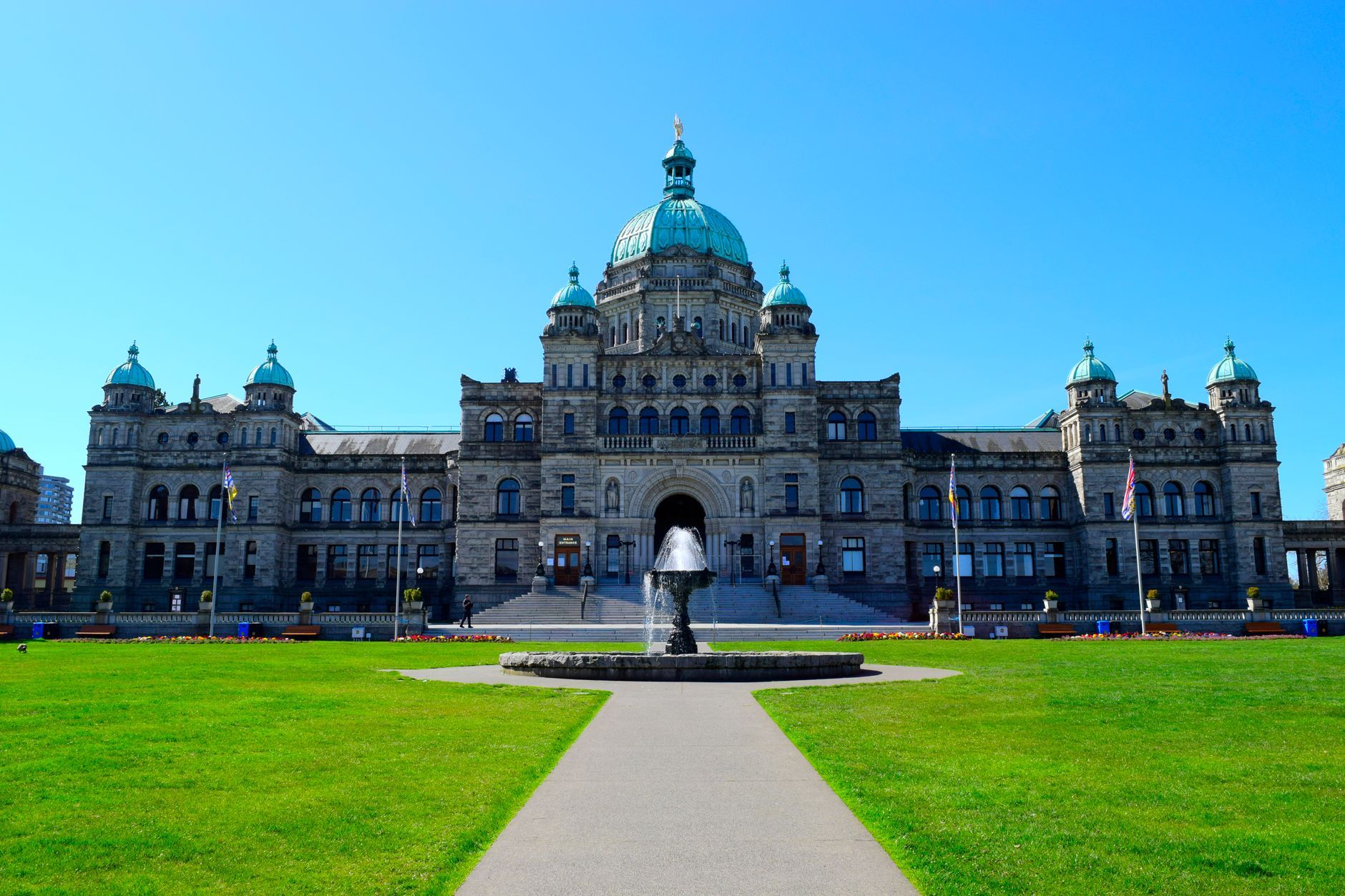
There's a reason the Inner Harbour is the default orientation point for every visitor. It's genuinely impressive — the Parliament Buildings, the Empress Hotel, float planes landing in the water, street performers, fishermen — it's all happening in one spot.
Don't rush it. Walk the whole causeway, watch the seaplanes take off, grab a coffee and just absorb it for a bit. It's also a great launching pad for most other spots on this list. Ocean Island Inn is just a few minutes' walk from here, so you're already in the right neighbourhood.
Fisherman's Wharf
A short walk or harbour ferry ride west of the Inner Harbour, Fisherman's Wharf is worth the detour. Floating homes painted in wild colours, a few food shacks, harbour seals that sometimes hang around the docks. It's low-key, a bit scrappy, very Victoria. Grab fish and chips and eat them on the dock.
Beacon Hill Park: The Most Underrated Spot in the City
Honestly, tourists sleep on this one. Beacon Hill Park is massive — 75 hectares of walking paths, ponds, old-growth trees, free-roaming peacocks (yes, really), and views of the Olympic Mountains across the Strait of Juan de Fuca.
Walk to the top of the hill in the park's centre and you'll get the kind of panoramic view that people in other cities would charge admission for. It's completely free, and it connects directly to Dallas Road along the waterfront — one of the best walks in the city, full stop.
Dallas Road Waterfront
Follow the path east from Beacon Hill and you're on Dallas Road, walking the cliff edge above the ocean with those mountain views. Dog walkers, joggers, people flying kites — it feels like the real city. Head east far enough and you'll hit Clover Point, a favourite local spot for windy days and whale sightings.
Victoria's Chinatown: Canada's Oldest
This one gets overlooked because it's small — but that's the point. Victoria's Chinatown is the oldest in Canada (established 1858) and it's tucked into a few compact blocks north of downtown. Fan Tan Alley, supposedly the narrowest commercial street in Canada, cuts right through it.
It's not a theme park version of a Chinatown. It has actual history, decent food, some quirky shops, and a neighbourhood feel that's survived a lot of pressure to gentrify. Walk through it slowly. Read the plaques. Eat something.
The Royal BC Museum
If you're going to spend money on one indoor attraction, make it the Royal BC Museum (675 Belleville Street). It covers BC's natural history, First Nations history and culture, and colonial history in a way that's genuinely engaging rather than dry.
Budget at least two hours. Check their website for current admission prices and any temporary exhibitions — it can vary. The First Peoples gallery in particular is worth the visit on its own.
Whale Watching: The One Tourist Activity That Actually Delivers
Look, a lot of "must-do" tourist activities are overhyped. Whale watching in Victoria is not one of them. We're in one of the best spots in the world for orca sightings, and April through October is prime time.
We recommend Orca Spirit Adventures (250-383-8411, toll-free 1-877-815-7255) — they depart right in the heart of downtown. Tours run about three hours, and you can choose between a covered vessel (warmer, more stable) or a Zodiac (faster, more exposed, more fun if you're into that). They also offer a complimentary shuttle from downtown hotels.
Ocean Island guests can also check our discounts on tours and attractions before booking anything — it's worth a look.
The Galloping Goose Trail
This is the one I'd put on the list for anyone who wants to get out of the tourist zone for a few hours. The Galloping Goose is a 55-kilometre multi-use trail that runs from downtown Victoria all the way out to Leechtown near Sooke. You don't have to go the whole way — even heading out 10 or 15 kilometres gives you forest, farms, and a completely different side of the region.
Pick up bikes at Ocean Island's bike rentals and you can be on the trail within minutes of leaving the hostel. The Goose connects to the Lochside Trail too, which takes you north toward Sidney and the ferry terminal.
Cook Street Village and the Neighbourhoods Worth Walking
Not everything worth seeing in Victoria is a landmark. Cook Street Village — a few blocks south of downtown, walkable from Beacon Hill Park — is the kind of neighbourhood where locals actually hang out. Good coffee shops, a few good restaurants, a bookstore, a proper pub. It feels lived-in.
Other Neighbourhoods to Wander
- Fernwood: East of downtown, a bit artsy, great murals, a neighbourhood square with a pub and a bakery
- James Bay: Immediately south of downtown, quiet residential streets, close to the waterfront and Beacon Hill
- Government Street and Fort Street: The main downtown corridor — touristy in spots but also has some solid independent shops and restaurants
Getting Around: A Few Practical Notes
Victoria is genuinely walkable in the core, but BC Transit gets you further when you need it. A single cash fare is $3.00 (exact change, on board), or grab a DayPASS for $6.00 if you're planning to hop around — you can ask the driver for one. It covers unlimited rides for the day and is absolutely worth it if you're doing more than two trips.
For the Galloping Goose and day trips further out, a bike is faster and way more fun. If you're thinking about exploring further into Vancouver Island, Ocean Island also has campervan rentals — useful if you want to head up to Tofino or the Gulf Islands without committing to a tour.
Where to Stay While You're Exploring All This
Being in the right location matters more than most people realise. Staying downtown puts you within walking distance of the Inner Harbour, Chinatown, Beacon Hill Park, and the departure point for whale watching — which saves you transit time and transit money.
If you're looking for a base that doesn't drain your budget, check out rooms and dorms at Ocean Island Inn. The free breakfast and dinner alone take a real bite out of daily costs — which adds up fast when you're staying more than a few days.
FAQ: Victoria BC Tourist Spots
How many days do you need in Victoria? Three days gets you a solid overview — the harbour, a whale watching trip, a long bike ride, and time to actually wander the neighbourhoods without rushing. Four or five days and you can add day trips to Butchart Gardens (worth it, especially in summer) and get out on the Galloping Goose properly.
What's actually free in Victoria? Quite a bit. Beacon Hill Park, Dallas Road waterfront, the Inner Harbour walkway, Fisherman's Wharf (free to walk around), Chinatown and Fan Tan Alley, all the neighbourhood walking. The city rewards slow exploration on foot.
Is Victoria worth visiting outside of summer? Yes — and honestly it's underrated in shoulder season. Spring (April–May) is stunning, flowers everywhere, still good whale watching, way fewer crowds. Winter is mild by Canadian standards and the city doesn't completely shut down. We get rain, won't lie, but it's rarely the bitter cold that stops you from being outside.
What's Butchart Gardens and is it worth it? It's a world-famous Victorian-era sunken garden about 22 kilometres north of downtown — genuinely impressive, especially in bloom. Admission isn't cheap (check their current pricing at butchartgardens.com), but most people who go don't regret it. Check our Victoria Insiders Guide for more on day trips from the city.
Do I need a car in Victoria? Not for the city itself. Downtown is walkable, bikes handle most of the rest, and BC Transit covers the gaps. You'd only really want a car (or campervan) if you're planning to explore further up Vancouver Island.